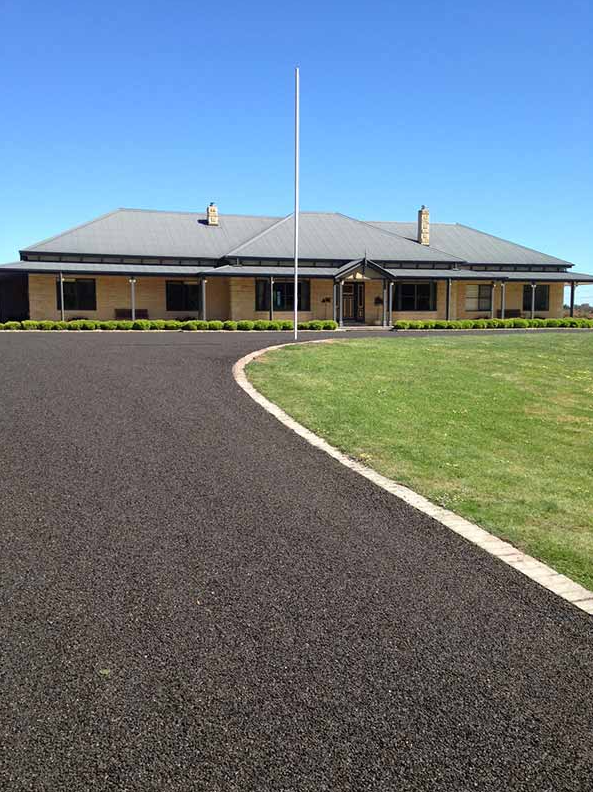
An ageing or damaged driveway does not automatically need to be completely rebuilt. Many asphalt and bitumen surfaces can continue performing well with timely repairs or resurfacing, particularly when deterioration is limited to the upper pavement layers. However, there are situations where repairing the visible damage repeatedly no longer addresses what is actually happening beneath the surface.
Driveway reconstruction becomes worth considering when the pavement has significant structural problems, widespread deterioration or underlying conditions that cannot be corrected effectively through surface treatments alone. For property owners in Buderim, QLD, recognising these signs can help ensure the next stage of work addresses the cause of the problem rather than simply covering it.
At Buderim Surfacing Solutions, we assess the complete condition of existing driveways before recommending repairs, resurfacing or more extensive reconstruction.
What Does Driveway Reconstruction Involve?
Reconstruction is different from resurfacing.
Resurfacing generally involves repairing defects and installing a new surface over an existing pavement that still has adequate structural support. Reconstruction goes deeper, addressing damaged or unsuitable pavement layers before rebuilding the driveway.
Depending on its condition, this may involve removing deteriorated material, correcting the formation, improving drainage, rebuilding or strengthening the base, grading the driveway and installing a new asphalt or bitumen surface.
The purpose is to create a structurally reliable pavement rather than simply improve its appearance.
Widespread Cracking Can Indicate Deeper Problems
A few isolated cracks can often be repaired as part of normal driveway maintenance. When cracking becomes widespread, interconnected or repeatedly returns after previous repairs, the issue may extend deeper into the pavement.
Cracks often develop when the surface is moving because the layers underneath are no longer providing uniform support. Continuing to seal individual cracks may slow water penetration, but it will not stabilise a failing base.
Reconstruction allows the affected pavement layers to be investigated and corrected before a new surface is installed.
Multiple Potholes May Be a Warning Sign
An isolated pothole does not necessarily mean an entire driveway requires reconstruction. However, numerous potholes appearing across different sections deserve closer attention.
Potholes commonly develop after moisture reaches weakened pavement layers and vehicle traffic causes the unsupported surface to break apart. When this process is occurring across a large proportion of the driveway, repeatedly patching each hole may provide only temporary improvement.
A professional assessment can establish whether the damage remains localised or whether the supporting structure has deteriorated more broadly.
The Driveway Is Sinking or Becoming Uneven
Significant depressions, sunken areas and changes in surface level can indicate movement beneath the pavement.
These problems may be associated with inadequate original compaction, weakened base materials, moisture, ground movement or repeated loading. Simply applying another layer over a substantially uneven surface can leave the underlying problem unresolved.
Where settlement is extensive, reconstruction provides an opportunity to remove unstable material and rebuild the affected areas on a properly prepared foundation.
Rutting Keeps Developing in Vehicle Paths
Rutting appears as depressions where vehicle tyres regularly travel or where vehicles repeatedly stop and manoeuvre.
Minor surface wear is expected as a driveway ages, but pronounced or recurring wheel ruts can indicate that the pavement is deforming under load. The problem may involve the asphalt layer, the base beneath it or a combination of both.
If the driveway structure is no longer capable of supporting its normal traffic, reconstruction can allow the pavement to be rebuilt to better suit how the area is actually used.
Drainage Problems Are Affecting the Pavement
Water management should always be considered when evaluating a deteriorating driveway.
Standing water, consistently wet edges and low sections that collect rainfall can contribute to progressive pavement damage. Moisture entering cracks or moving into the base can reduce its ability to support traffic, eventually resulting in settlement, cracking and potholes.
Where the existing driveway has an unsuitable profile, reconstruction provides an opportunity to correct levels and grading rather than continually repairing damage caused by the same drainage issue.
For driveways in Buderim, addressing water movement as part of the pavement design can be just as important as choosing the finished surface.
Previous Repairs Keep Failing
Recurring repairs are one of the clearest reasons to investigate what is happening below the surface.
If the same section repeatedly cracks, sinks or develops potholes, there is usually a reason. Repairing the visible defect without correcting unstable material, drainage problems or inadequate structural support can allow the failure to return.
This does not mean reconstruction is always necessary. It does mean the pavement should be assessed beyond the damaged surface before another repair is undertaken.
When Is Resurfacing Still Appropriate?
Reconstruction should not be treated as the automatic solution for every older driveway.
If the existing foundation remains stable and deterioration is largely confined to the surface, resurfacing may be entirely appropriate. Localised defects can be repaired, preparation completed and a new wearing surface installed over the existing pavement.
This is why determining the condition of the underlying structure matters. The right approach depends on whether the driveway has surface deterioration or genuine structural failure.
A professional inspection helps distinguish between the two.
Reconstruction Allows the Foundation to Be Corrected
One of the main advantages of reconstruction is access to the layers that determine long-term pavement performance.
Once deteriorated material has been removed, contractors can address issues that would otherwise remain hidden beneath a resurfacing treatment. This may include improving base stability, correcting uneven areas and establishing a more appropriate pavement profile.
The new asphalt or bitumen surface is then supported by a foundation prepared for its intended use.
Getting these underlying elements right reduces the likelihood that existing defects will simply reappear through the new surface.
Consider How the Driveway Is Used Today
The way a property uses its driveway can change over time. A surface originally constructed for occasional passenger vehicles may later experience more frequent traffic, heavier vehicles or repeated parking and turning in particular areas.
If the existing pavement was not designed for these demands, deterioration may continue despite maintenance.
During reconstruction, the expected use of the driveway can be considered as part of the pavement design. This helps ensure the rebuilt surface is appropriate for the traffic it will actually experience.
Why Professional Assessment Matters Before Rebuilding
Visible damage alone does not reveal everything about the condition of a driveway. Two surfaces with similar cracking can require very different solutions depending on what is happening underneath.
Experienced surfacing contractors look at the extent and pattern of damage, drainage, settlement, traffic demands and the condition of the existing pavement before recommending an approach.
At Buderim Surfacing Solutions, the aim is to determine whether repairs, resurfacing or reconstruction will provide the most appropriate long-term result. This avoids unnecessary work while ensuring significant structural problems are not hidden beneath another surface treatment.
Conclusion
Driveway reconstruction should generally be considered when deterioration is no longer limited to the surface. Widespread cracking, multiple potholes, significant settlement, recurring rutting, persistent drainage problems and repeated repair failures can all indicate that the supporting pavement requires more extensive attention.
However, not every worn driveway needs rebuilding. Where the foundation remains sound, targeted repairs or resurfacing may still provide an effective solution. The important step is identifying the actual condition of the pavement before deciding how to proceed.
For property owners in Buderim, QLD, Buderim Surfacing Solutions provides professional asphalt and bitumen resurfacing and driveway construction services. If your existing driveway continues to deteriorate despite previous maintenance, arranging a professional assessment can help determine whether repair, resurfacing or reconstruction is the most suitable approach for restoring dependable long-term performance.
Call us on: 07 3113 9873
Click here to find out more about Buderim Surfacing Solutions
Click here to complete our contact form and see how we can help with your driveway needs.