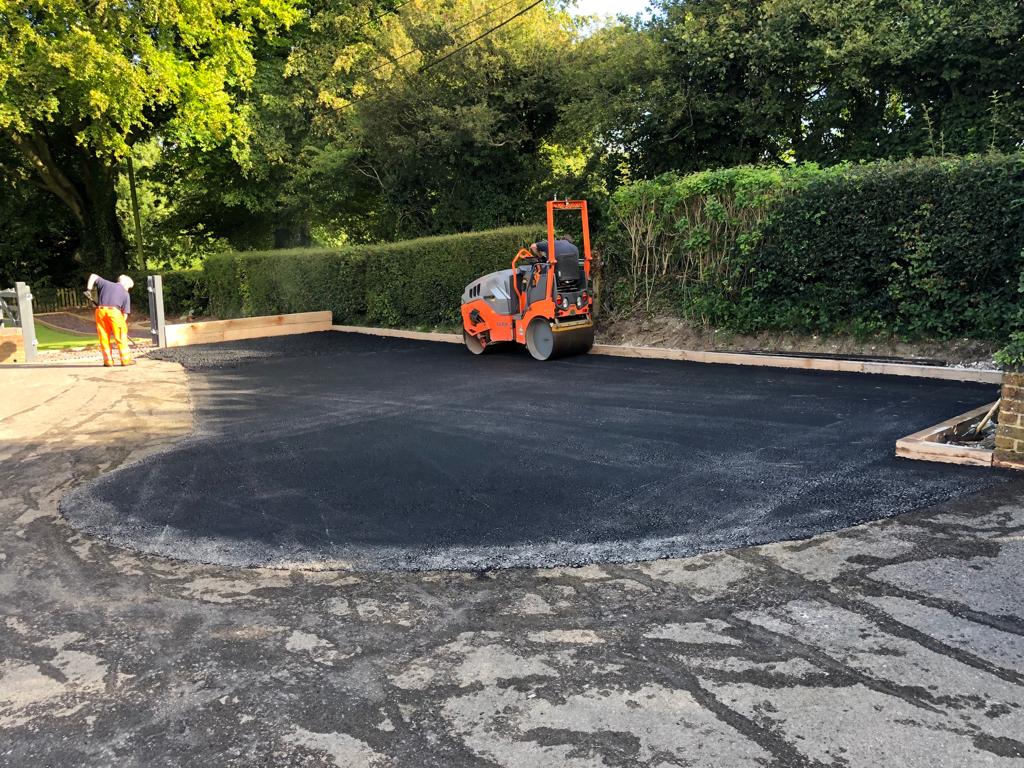
When an asphalt repair begins deteriorating in exactly the same place as before, it can be a sign that the original surface damage was only part of the problem. Potholes, cracking and depressions are often the visible result of conditions developing deeper within the pavement or around the affected area.
Repeated failure does not automatically mean that the entire asphalt surface needs replacing. However, it does suggest that the cause of the deterioration should be investigated before another repair is completed.
For property owners in Buderim, QLD, understanding why the same section keeps failing can help prevent an ongoing cycle of temporary repairs. Buderim Surfacing Solutions provides professional asphalt repairs and resurfacing with careful attention to pavement preparation, drainage, traffic loading and the condition of the supporting base.
Why Does Asphalt Sometimes Fail in the Same Place?
Asphalt depends on the pavement layers underneath it for structural support. If those supporting layers remain weak or unstable, replacing only the damaged surface material may not resolve the underlying problem.
Traffic continues applying pressure to the repaired section, and movement underneath can eventually cause the new asphalt to crack, sink or break apart.
Recurring deterioration can be associated with several conditions, including:
- Weak or unstable base material
- Water entering the pavement
- Poor drainage
- Inadequate compaction
- Heavy or concentrated vehicle loading
- Movement in surrounding pavement
- Deterioration extending beyond the original repair
Finding the actual cause is therefore an important part of achieving a more dependable repair.
The Problem May Be Deeper Than the Asphalt
A pavement is made up of more than its visible surface.
The asphalt provides a durable wearing layer, but the pavement structure underneath carries and distributes vehicle loads. If these lower layers lose strength, the asphalt above can begin moving beyond its normal capacity.
Cracking, settlement and potholes can then develop at the surface.
Replacing the upper asphalt without restoring weakened material underneath can leave the same structural problem in place. The repair may initially appear successful, but repeated traffic can eventually expose the weakness again.
Water Can Cause Repairs to Fail Repeatedly
Moisture is one of the most important factors to investigate when asphalt damage keeps returning.
Water can enter through cracks, damaged edges and existing potholes. Once it reaches pavement materials underneath, prolonged moisture exposure can reduce their stability.
Traffic travelling over the affected area then places pressure on a pavement that no longer has consistent support.
This can lead to renewed:
- Cracking
- Settlement
- Potholes
- Surface deformation
- Loose asphalt
Unless the pathway allowing water into the pavement is addressed, another surface repair may experience similar deterioration.
Poor Drainage May Be the Real Cause
Sometimes the issue is not simply water entering through a crack. The entire pavement profile may be directing runoff towards the problem area.
A depression can collect rainfall after every wet period. Water may also travel along the edge of the pavement or repeatedly cross the same section.
If repairs are completed without correcting the drainage issue, moisture can continue affecting the pavement.
What Happens After Rain Can Be Revealing
After rainfall, observe whether water consistently collects around the repaired section.
A recurring puddle may indicate that the pavement has settled or that its surface levels are not allowing water to drain effectively.
Addressing levels and drainage can be an important part of preventing the repaired section from deteriorating again.
Inadequate Compaction Can Lead to Settlement
Compaction is critical when rebuilding damaged pavement.
When failed material is removed, replacement base material needs to be placed and compacted appropriately before the asphalt surface is reinstated.
If the supporting material remains loose, vehicle loading can gradually compress it.
The repaired section may then sink, creating a depression in the asphalt. Water begins collecting in the low area, placing further stress on the pavement.
Correct compaction helps provide the stable foundation needed for a durable surface repair.
The Original Repair May Not Have Covered the Full Damaged Area
Visible deterioration does not always show the complete extent of pavement failure.
For example, a pothole may have clearly defined edges at the surface while surrounding pavement has already weakened underneath. Repairing only the obvious hole can leave unstable material immediately beside the new asphalt.
Over time, deterioration may appear around the perimeter of the repair.
This can make it seem as though the repair itself has failed when the original damaged area was actually larger than it first appeared.
Professional assessment helps determine how far unstable pavement extends before repairs begin.
Cracking Around a Repair Can Allow Damage to Return
The condition of the asphalt surrounding a repaired section matters.
If existing cracks remain nearby, water can continue entering the pavement. Traffic can also cause weakened crack edges to deteriorate further.
Eventually, the damage may progress towards the repaired area.
Where cracking is extensive, it is worth considering the condition of the broader surface rather than treating every defect independently.
Heavy Vehicles Can Concentrate Damage in One Location
Repeated pavement failure can also be related to how vehicles use the area.
Entrances, turning zones, loading areas and frequently travelled wheel paths experience concentrated traffic stresses. If trucks or other heavy vehicles repeatedly use the same route, particular sections may deteriorate faster than the rest of the pavement.
Turning movements can be especially demanding because tyres apply forces across the surface as well as downward into the pavement.
When a recurring repair is located in a high-load area, the pavement structure should be assessed against the traffic it is actually carrying.
Weak Edges Can Contribute to Recurring Damage
Pavement edges need suitable support.
Where surrounding material has eroded or settled, the outer asphalt can become vulnerable to vehicle loading. Cracks may develop, followed by pieces of asphalt breaking away.
Repairing the surface without restoring edge support can leave the new section exposed to the same problem.
Once an edge fails again, deterioration may continue progressing further into the pavement.
Stable shoulders and appropriate drainage around pavement boundaries can therefore be important components of a successful repair.
Repeated Potholes Can Point to Base Failure
A pothole that repeatedly forms in the same location deserves closer investigation.
Potholes frequently develop when surface damage combines with weakened supporting material. If the hole is repeatedly filled without removing unstable material underneath, traffic may eventually cause another failure.
A more complete repair may require the affected section to be opened, failed material removed and the supporting pavement rebuilt before new asphalt is installed.
The objective is to restore structural support rather than repeatedly fill the visible depression.
When Should the Wider Asphalt Surface Be Assessed?
One recurring repair can be a localised issue. Multiple recurring repairs can indicate something broader.
If potholes, cracking and depressions are appearing across several areas, the pavement may be experiencing more general deterioration.
Other warning signs include interconnected cracking, widespread surface wear, numerous patches and changing pavement levels.
At this stage, assessing the entire asphalt area can provide more useful information than continuing to examine each defect separately.
Could Asphalt Resurfacing Be More Appropriate?
Where the supporting pavement remains structurally suitable but the asphalt surface has become generally worn or heavily patched, resurfacing may be worth considering.
Existing defects still need to be repaired and the pavement properly prepared first. Resurfacing is not intended to conceal unstable foundations.
Once suitable preparation has been completed, a new asphalt layer can provide a more consistent wearing surface across the area.
This may be particularly useful where numerous previous repairs have left the pavement uneven despite individual sections remaining functional.
When Is Deeper Reconstruction Necessary?
If repeated failures are being caused by an unstable pavement base, resurfacing alone may not solve the problem.
Affected areas may need to be excavated so unsuitable material can be removed. The pavement can then be rebuilt, graded and compacted before the asphalt is reinstated.
Signs that deeper problems may be present include substantial settlement, severe rutting, widespread cracking and repairs that repeatedly sink or break apart.
The extent of reconstruction required depends on the actual condition of the pavement rather than simply its appearance.
Why Diagnosis Matters Before Another Repair
When the same asphalt area has already been repaired several times, completing another identical repair without investigating the cause may simply restart the cycle.
A professional pavement assessment considers how different factors interact.
The contractor can examine the damaged asphalt, surrounding cracks, pavement levels, base condition, drainage, edge support and traffic movements. This provides a clearer picture of why deterioration is occurring.
For asphalt surfaces in Buderim, QLD, this approach helps determine whether the appropriate response is a local repair, improved drainage, base reconstruction or wider resurfacing.
Addressing the Cause Helps Protect the Surrounding Pavement
Recurring defects can eventually affect more than the original repair area.
Cracks can spread, potholes can expand and water can reach previously sound sections of pavement. Drivers may also begin steering around damaged areas, transferring traffic loads onto different parts of the surface.
Addressing the problem while it remains relatively contained can help protect the surrounding asphalt.
The goal should be to restore a stable pavement structure rather than repeatedly improve only the appearance of the damaged section.
Conclusion
The same asphalt area may need repairing more than once when the underlying cause of deterioration remains unresolved. Weak base material, poor drainage, water infiltration, inadequate compaction, heavy vehicle loading and damage extending beyond the original repair can all contribute to recurring failure.
A repair is more likely to perform effectively when the complete affected area is assessed and unstable conditions are corrected before the asphalt is reinstated. Where deterioration has become widespread, resurfacing or more substantial pavement work may need to be considered instead of continuing with isolated patches.
Buderim Surfacing Solutions provides professional asphalt repairs, pavement preparation and resurfacing throughout Buderim, QLD. If the same section of your asphalt keeps cracking, sinking or developing potholes, contact our team to arrange an assessment and discuss an appropriate solution for addressing the cause of the recurring deterioration.
Call us on: 07 3113 9873
Click here to find out more about Buderim Surfacing Solutions
Click here to complete our contact form and see how we can help with your driveway needs.